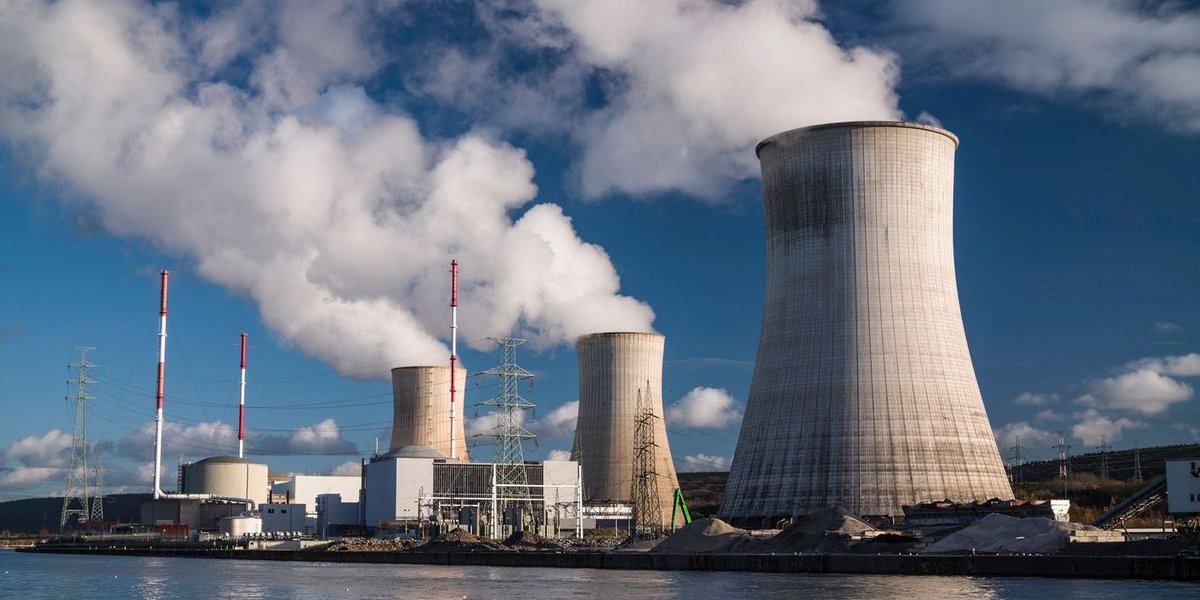
The Lok Sabha passes nuclear energy Bill on Wednesday (December 17, 2025) passed the Sustainable Harnessing and Advancement of Nuclear Energy for Transforming India (SHANTI) Bill, 2025 despite demands by several Opposition parliamentarians for referring the legislation to a parliamentary panel. The Bill now moves to the Rajya Sabha for discussion following which it can become law.
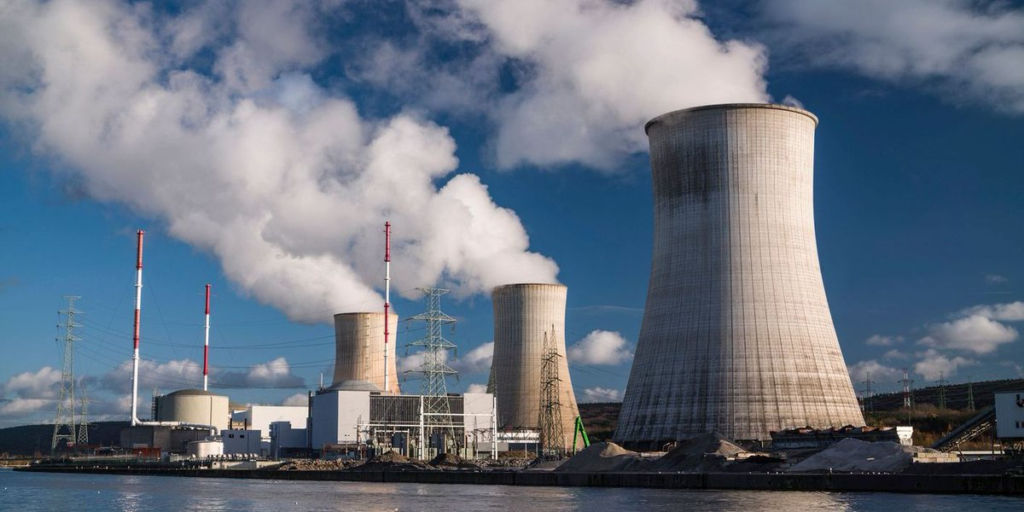
SHANTI Bill 2025 nuclear energy bill
The Union Government has introduced the Sustainable Harnessing and Advancement of Nuclear Energy for Transforming India (SHANTI) Bill, 2025 in the Lok Sabha to overhaul India’s nuclear energy laws and enable private sector participation in building and operating nuclear power plants for the first time since Independence.
The SHANTI Bill, 2025 overhauls India’s nuclear energy framework by replacing the Atomic Energy Act, 1962 and the CLND Act, 2010, allowing private and foreign participation in building and operating nuclear power plants while retaining state control over strategic activities.
It introduces a revised liability and regulatory regime by granting statutory status to the AERB, capping operator liability based on plant capacity, removing supplier liability, and facilitating advanced technologies like Small Modular Reactors to support clean energy and net-zero goals.
Key Provisions of SHANTI Bill 2025
Replacement of Existing Nuclear Laws: The SHANTI Bill repeals the Atomic Energy Act, 1962 and the Civil Liability for Nuclear Damage Act, 2010, creating a single, consolidated legal framework to govern India’s civil nuclear energy sector and simplify regulatory and liability procedures.
Enabling Private and Joint Venture Participation: For the first time since Independence, the Bill permits private Indian companies, joint ventures, and foreign entities to build, own, operate, and decommission nuclear power plants, ending the monopoly of Nuclear Power Corporation of India Ltd (NPCIL) in plant operations.
Retention of Strategic State Control: While allowing private participation, the Bill retains government control over sensitive areas such as nuclear fuel production, heavy water manufacturing, and radioactive waste management, safeguarding national security and non-proliferation commitments.
Statutory Status to the Nuclear Regulator: The Bill grants statutory backing to the Atomic Energy Regulatory Board (AERB) and makes it accountable to Parliament, strengthening regulatory independence, transparency, and safety oversight.
Revised Nuclear Liability Framework: The SHANTI Bill repeals the CLND Act, 2010 and removes supplier liability, ensuring that nuclear plant operators alone are responsible for compensation, thereby aligning India’s regime with international nuclear liability conventions.
Operator liability is capped and linked to the installed capacity of nuclear plants rather than the extent of damage, with graded limits to reduce financial uncertainty and encourage investment.
Creation of a Dedicated Atomic Disputes Tribunal: Proposes a dedicated atomic disputes tribunal to improve regulatory certainty and investor confidence.
Facilitation of Advanced Nuclear Technologies: By enabling private participation and regulatory clarity, the Bill supports the deployment of Small Modular Reactors and indigenous reactor designs, contributing to India’s clean energy transition and long-term energy security.
India’s Current Nuclear Energy Landscape
As of 2025, India’s current power capacity stands at 8.18 GW, with an ambitious target of 100 GW by 2047.
Currently, India operates more than 20 nuclear reactors, all managed by Nuclear Power Corporation of India Limited (NPCIL), with over a dozen new projects planned.
The Nuclear Energy Mission was launched in the Union Budget 2025-26 which is focused on research and development (R&D) of Small Modular Reactors (SMRs).
India aims to develop at least five indigenously designed and operational SMRs by 2033. key new technology developments include Bharat Small Reactors (BSRs), Small Modular Reactors (SMRs), Molten Salt Reactors, and High-Temperature Gas-Cooled Reactors.
What is the Need for Reforms in Nuclear Governance in India?
- Ambitious Capacity Targets: India aims to expand nuclear capacity from 8.8 GW to 22 GW by 2032 and 100 GW by 2047, but NPCIL alone lacks the capital, manpower, and execution capacity to meet these goals.
- Large Financing Gap: Achieving 100 GW requires about Rs 15 lakh crore, while Budget 2025–26 provides only Rs 20,000 crore, making private investment essential to mobilise long-term capital.
- Project Delays: NPCIL projects like Kudankulam Units 3–6 face chronic delays; private players can improve project management and Engineering, Procurement, and Construction (EPC) efficiency.
- Technology and Innovation Needs: Private participation can accelerate adoption of SMRs, advanced reactors, and global best practices, improving safety and scalability.
- Weak Uranium Supply Chains: Limited domestic production and Government-to-Government (G2G) imports necessitate private involvement in uranium mining, processing, and imports for fuel security.
- Energy Security and Climate Goals: Enhanced focus on nuclear power supports grid stability and net-zero 2070, complementing renewables with low-carbon baseload power.
What Measures are Required to Strengthen Nuclear Governance in India?
- Regulatory Independence: AERB operational independence must be strengthened through transparent appointments, financial autonomy, and protection from executive interference.
- Rebalance Safety and Investment Incentives: Liability caps should be periodically reviewed and indexed to inflation and risk, ensuring investor confidence does not come at the cost of public safety and the “polluter pays” principle.
- Build Public Trust Through Transparency: Mandatory disclosure of safety audits, accident reporting protocols, and emergency preparedness plans is essential to address public concerns rooted in past industrial disasters.
- Centre–State Coordination in Emergency Response: Clear protocols are needed for coordination between the Centre, States, and local authorities during nuclear emergencies, especially as private operators enter the sector.
- Waste Management and Decommissioning Frameworks: Clear, enforceable norms for long-term waste disposal and plant decommissioning must be laid down before large-scale private expansion.
Conclusion
Reforms in nuclear governance are essential to unlock capital, technology, and execution capacity that the public sector alone cannot provide. Carefully regulated private participation, backed by strong safety oversight, is critical for India to achieve its long-term nuclear energy and climate ambitions.